How to properly care for a roof?
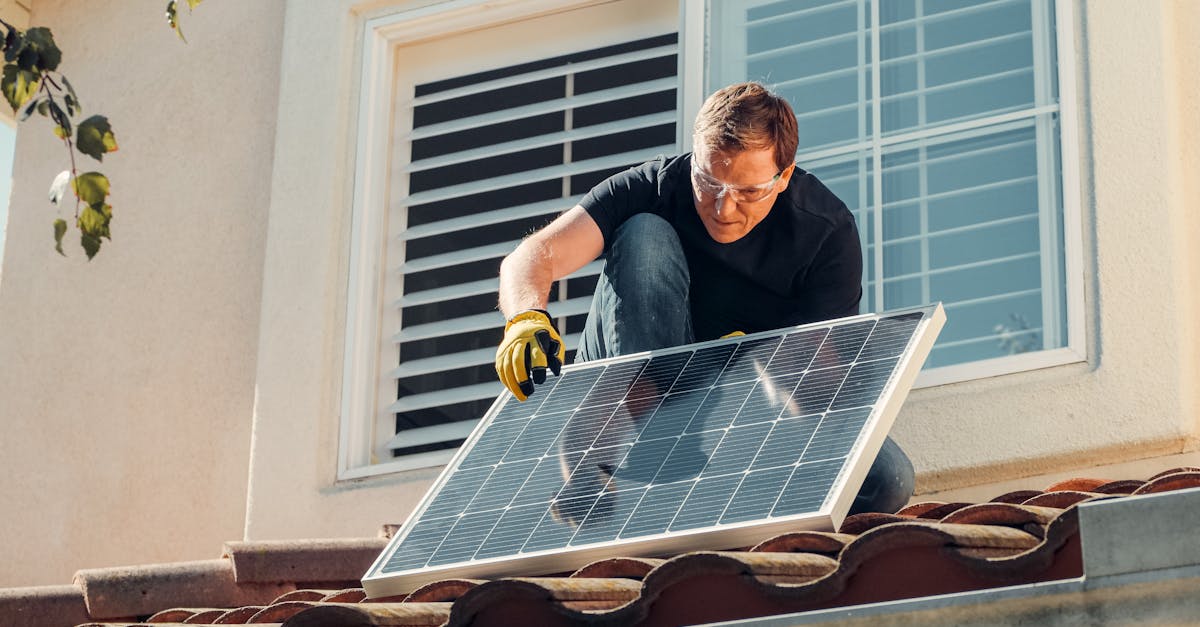
Table Of Contents
The Role of Gutters in Roof Care
Gutters play a crucial role in roof maintenance by directing rainwater away from the roof and the foundation of a home. This prevents water from pooling on the surface and reduces the risk of leaks, mold, and structural damage. Efficient drainage helps maintain the integrity of the roof materials, ensuring they last longer and function properly. Regular inspections of the gutters can help detect any issues before they escalate into more significant problems.
A well-maintained gutter system complements overall roof maintenance and enhances the home’s drainage efficiency. Clogged or damaged gutters can lead to water overflow, which may compromise not just the roof but also the siding and the landscaping around the house. Keeping gutters clear of debris and ensuring they are securely attached is essential for protecting the entire structure from potential water damage.
Maintaining Gutter Systems
Regular cleaning is crucial for maintaining gutter systems. Debris, such as leaves and dirt, can accumulate and block water flow. This obstruction can lead to water pooling on the roof, increasing the risk of leaks and other structural damage. Schedule a cleaning at least twice a year, ideally in the spring and fall. This practice helps prevent potential issues associated with water overflow and keeps your roof maintenance routine effective.
While cleaning, inspect the gutters for any signs of wear and tear. Look for rust spots, bent sections, or joints that may be pulling apart. Minor repairs can often be completed with simple tools, but it’s essential to ensure that gutters are securely attached and free from any significant obstructions. Consistent attention to the condition of your gutter systems plays a vital role in the overall health of your roof, contributing to its longevity and performance.
Safe Practices for DIY Roof Work
Taking on DIY roof work can be rewarding, but safety must remain a top priority. Always inspect the weather conditions before beginning any project. Wet or windy days can create hazardous situations that increase the risk of slips and falls. It’s crucial to secure your ladder properly and maintain three points of contact while climbing. Wearing appropriate footwear can provide better traction, reducing the chances of accidents. Prior planning for emergencies can also enhance safety.
Roof maintenance often requires specialized tools and techniques that may be unfamiliar to non-professionals. It's essential to start with the right equipment, including harnesses when working at heights. Using scaffolding instead of just a ladder can offer added stability. Be aware of your surroundings and avoid overreaching while working on the edge. Taking the time to assess risks beforehand can prevent unnecessary injuries and ensure a safer working environment.
Essential Safety Gear and Equipment
Engaging in roof maintenance requires careful attention to safety. The right gear is essential to prevent accidents and injuries. A hard hat protects against falling objects, while non-slip footwear ensures stability on sloped surfaces. Harnesses are crucial when working at heights, providing an added layer of security. Opting for gloves can also enhance grip and protect hands from sharp edges.
In addition to personal protective equipment, tools play a vital role in maintaining safety during roof work. A sturdy ladder is necessary for access, and it should be placed on a stable, level surface. Utilizing a roofing scaffold can provide a safer platform for anyone needing to spend extended periods on the roof. It's important to check all equipment regularly for wear and tear, ensuring everything is reliable and up to safety standards.
When to Hire a Professional
Recognizing when to hire a professional for roof maintenance is crucial for the longevity of your home. If you notice significant damage, such as missing shingles or leaks, it's essential to consult an expert. Ignoring these issues can lead to more extensive damage and costly repairs down the line. Homeowners should also consider the complexity of the work. Tasks beyond simple cleaning or minor repairs typically require professional expertise.
Another indicator that it's time to call an expert is a lack of comfort with heights or roofing technology. Roof maintenance can be hazardous, and professionals have the training and equipment to safely tackle challenging repairs. Additionally, if the roof is nearing the end of its lifespan, a professional can provide valuable assessments and recommendations. Their insights can help ensure that any work performed is thorough and meets safety standards.
Signs It's Time to Call an Expert
Homeowners should remain vigilant about the condition of their roofs. If you notice significant leaks, mold growth, or missing shingles, it may indicate underlying issues that require professional intervention. Roof maintenance often becomes complicated when structural problems arise. The roof is integral to the overall integrity of your home, and any signs of distress warrant a thorough inspection.
In addition, an increase in energy bills can point to poor roof insulation or ventilation. If you experience unusual fluctuations in temperature indoors, this may suggest that your roofing system is not performing effectively. Ignoring these signs can lead to more extensive damage and higher repair costs. Roof maintenance performed by experts can prevent further complications and ensure the longevity of your roofing investment.
FAQS
How often should I inspect my roof for maintenance?
It's recommended to inspect your roof at least twice a year, ideally in the spring and fall, as well as after any major storms.
What are the signs that my gutters need cleaning?
Signs that your gutters need cleaning include overflowing water, visible debris in the gutters, sagging or pulling away from the house, and water stains on the side of your home.
What safety gear should I use when working on my roof?
Essential safety gear includes a sturdy ladder, non-slip shoes, a harness, safety goggles, and gloves to protect yourself while performing roof maintenance.
How do I know if I need to hire a roofing professional?
You should consider hiring a professional if you notice significant damage, extensive leaks, or if you're uncomfortable performing repairs yourself.
Can I repair my roof myself, and what are the risks?
While some minor repairs can be done DIY, there are risks involved, such as falls or improper repairs that can lead to further damage. It's important to assess your skills and safety before proceeding.