Table Of Contents
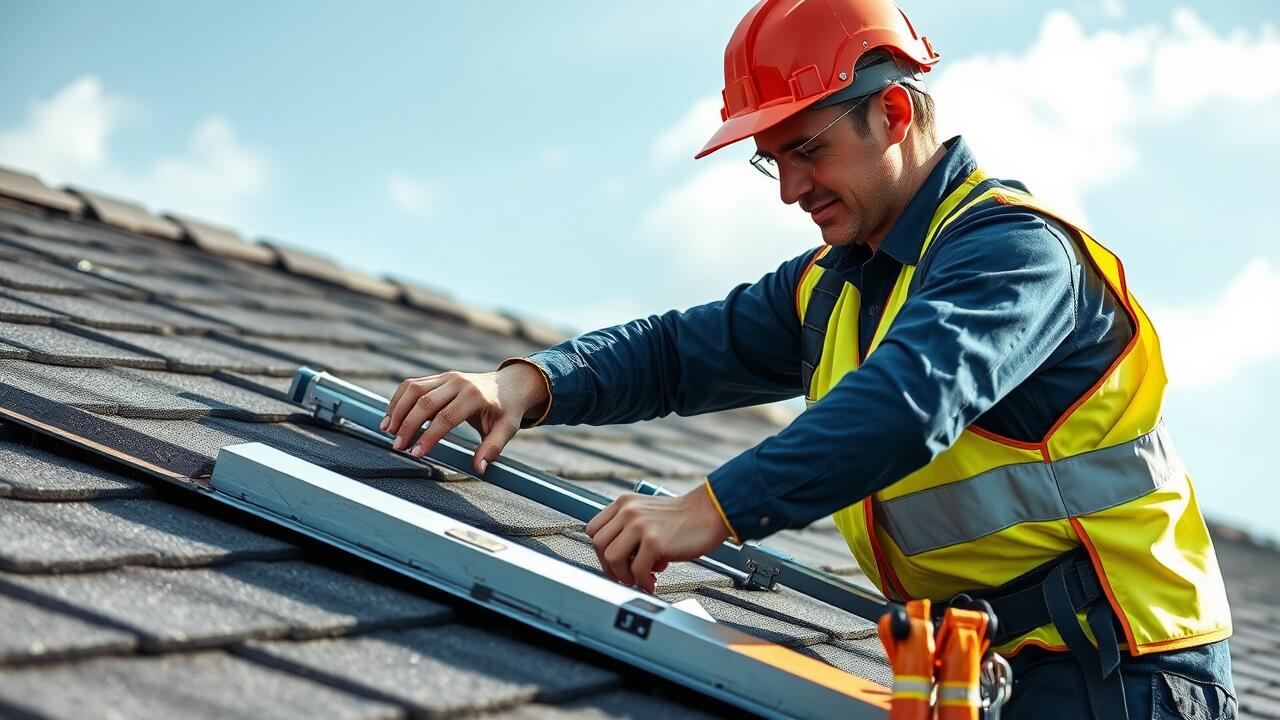
At NIR Roofing Contractors, we take pride in offering top-notch roof installation services to ensure that your home or business is protected and aesthetically pleasing. Our team of experienced professionals is dedicated to using high-quality materials and advanced techniques to deliver durable and reliable roofing solutions. Whether you're building a new structure or replacing an old roof, we work closely with our clients to understand their specific needs and preferences. With a commitment to excellence and attention to detail, NIR Roofing Contractors guarantees a seamless installation process that enhances the value and safety of your property for years to come.
Roof Installation Costs
The cost of roof installation can vary significantly based on several factors, including the size and pitch of the roof, the materials chosen, and the complexity of the installation process. Homeowners should expect to pay for both labor and materials, with high-quality roofing materials generally leading to higher overall costs. In addition, the geographical location can influence expenses, as labor rates and the availability of certain materials differ from region to region.
Homeowners should also consider any additional features that may impact the price. Adding skylights, ventilation systems, or specific designs can lead to increased expenses. It is essential to obtain multiple estimates from reputable contractors to gauge the average costs in your area. Understanding the various elements that affect installation costs will help you budget more effectively and make informed decisions when planning your roofing project.
Factors that Influence Overall Expenses
The overall costs of roof installation can vary significantly based on several key factors. The type of roofing material selected plays a critical role; options range from asphalt shingles, which are generally more affordable, to slate or metal roofing, which come at a higher price point. Additionally, the size and slope of the roof can impact labor costs and material requirements. Homes with complex layouts or steep pitches may incur higher expenses due to the additional work involved.
Another important consideration is the location of the property. Geographic factors can affect pricing because of local regulations, labor availability, and transportation of materials. Seasonal influences also come into play; some contractors may charge more during peak roofing season when demand is higher. Homeowners should also keep in mind potential added costs for any necessary repairs to the underlying structure or the installation of new features like ventilation systems.
Choosing the Right Roofing Contractor
Selecting a qualified roofing contractor is essential for ensuring a successful installation. Start by researching local professionals and reading customer reviews to gauge their reputation in the community. Look for licensed and insured contractors, which provides assurance of their qualifications and protects your property during the roofing process. Additionally, ask for references from previous clients to gain insight into their work quality and reliability.
Once you have gathered a list of potential contractors, schedule consultations to discuss your project in detail. During these meetings, inquire about their experience with the specific type of roofing material you intend to use. A knowledgeable contractor should be able to offer examples of past projects and provide estimates that break down costs transparently. This open communication will help you assess their expertise and commitment to completing your roofing project to your satisfaction.
Tips for Finding a Reliable Professional
Start by seeking recommendations from friends, family, and neighbors who have recently had roof work done. Their experiences provide valuable insights into different contractors and can help narrow your search. Additionally, online reviews and ratings can give a clearer picture of a contractor's reputation. Be cautious of overly positive or negative reviews, as they may not reflect the entire experience.
Verify the credentials of potential contractors before making a decision. Ensure they are licensed, insured, and have a good standing with the Better Business Bureau. Ask for references to speak directly with previous clients about their satisfaction and experiences. Obtaining detailed written estimates from multiple contractors helps in comparing pricing and services offered, allowing for a more informed choice.
The Importance of Roof Inspections
Routine inspections are essential for maintaining the integrity of a newly installed roof. These assessments can identify potential issues before they escalate into major problems. Ensuring that water drainage systems function properly and that materials are intact can prolong a roof's lifespan. Regular check-ups can also uncover the effects of extreme weather conditions, allowing homeowners to address them promptly.
Scheduling inspections soon after installation is beneficial for assessing the quality of workmanship and materials used. It provides an opportunity to catch any deficiencies or mistakes early on. Many manufacturers recommend a professional inspection shortly after installation to validate warranties and ensure compliance with industry standards. This proactive approach helps secure the investment made in the roofing project and guarantees peace of mind for homeowners.
When to Schedule Inspections Post-Installation
Regular inspections after a roof installation are crucial to maintaining its integrity and ensuring longevity. Homeowners should schedule their first inspection within the first year. This initial check allows professionals to identify any potential issues that may have arisen during the installation process. Following this, it's advisable to have inspections at least every three years, allowing for any small problems to be addressed before they escalate.
Weather conditions and environmental factors also play a significant role in determining inspection frequency. Areas prone to severe storms or heavy winds may benefit from more regular evaluations. Additionally, if any noticeable changes occur, such as leaks or damage, it's essential to arrange an inspection promptly. Keeping a proactive approach to roof maintenance can save homeowners both time and money in the long run.
FAQS
What is the average cost of roof installation?
The average cost of roof installation can vary widely depending on factors such as the type of roofing material, the size of the roof, and labor costs. Generally, homeowners can expect to pay between $5,000 and $10,000 for a standard roof installation.
What factors influence the overall expenses of roof installation?
Several factors can influence roof installation costs, including the type of roofing material used, the complexity of the roof design, local labor rates, and any required permits or inspections.
How do I choose the right roofing contractor?
To choose the right roofing contractor, you should research local companies, read reviews, ask for recommendations from friends or family, check for licenses and insurance, and request detailed written estimates before making a decision.
What are some tips for finding a reliable roofing professional?
Some tips for finding a reliable roofing professional include looking for contractors with good customer reviews, checking their credentials, asking for references, obtaining multiple quotes, and ensuring they provide a written contract.
How often should I schedule roof inspections after installation?
It is recommended to schedule roof inspections at least once a year, as well as after severe weather events, to identify any potential issues early and maintain the integrity of your roof.