Table Of Contents
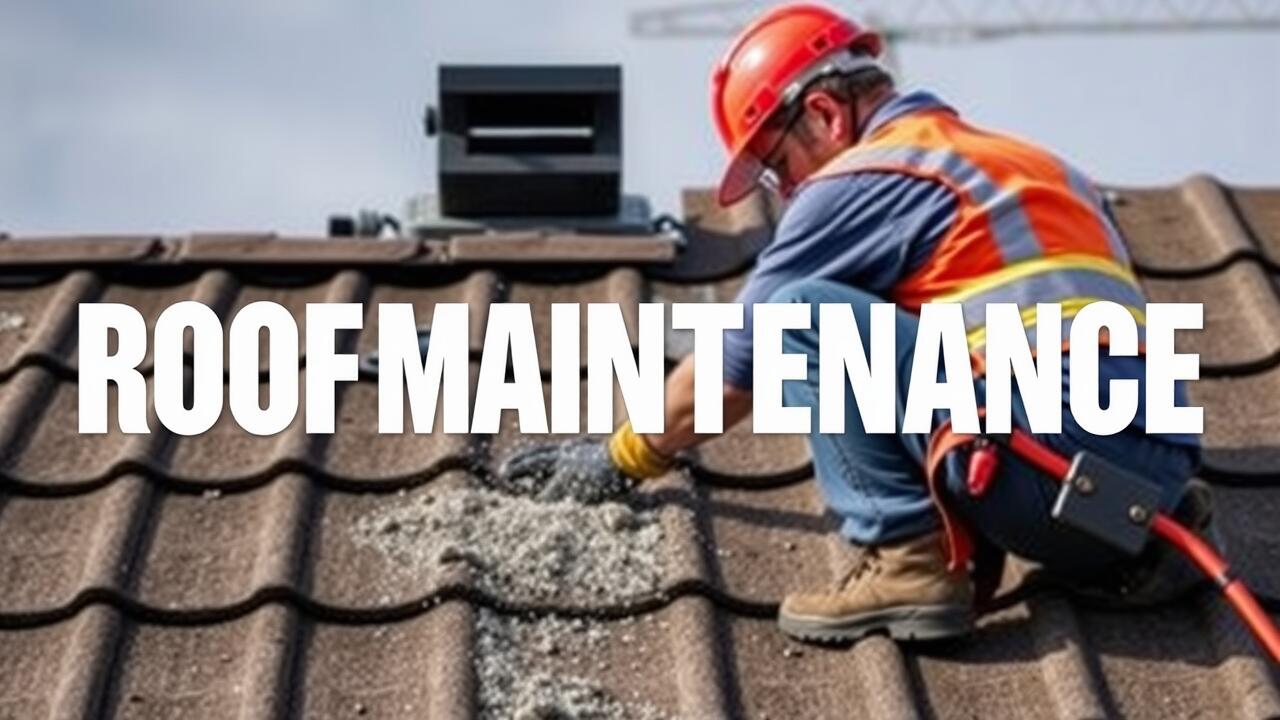
At NIR Roofing Contractors, we understand that regular roof maintenance is essential for the longevity and performance of your roofing system. Our comprehensive roof maintenance service includes thorough inspections, timely repairs, and proactive measures to prevent potential issues before they escalate. We assess the condition of your roof, clean gutters, remove debris, check for leaks or damaged materials, and make necessary repairs to ensure that your roof remains in optimal condition year-round. With our experienced team and commitment to quality, we provide homeowners with peace of mind, knowing their roofs are well-maintained and protected against the elements. Trust NIR Roofing Contractors to safeguard your investment and enhance the durability of your roof.
When to Call a Roofing Contractor
Homeowners should be alert to certain signs that indicate when professional assistance is needed for roof issues. Water stains on ceilings or walls often suggest a leak in the roof. Additionally, missing shingles or granules accumulating in the gutter can signal significant wear and tear. Pests or mold growth may also necessitate an inspection, as these can lead to further damage if left unaddressed.
Another critical moment to call a roofing contractor is after severe weather events, such as heavy storms, hail, or strong winds. These conditions can compromise the integrity of your roof, even if visible damage is not immediately apparent. Regular inspections by a professional can help identify hidden problems, preventing minor issues from escalating into costly repairs. Seek assistance whenever there is uncertainty regarding the condition of your roof to ensure its longevity and efficiency.
Signs You Need Professional Help
Homeowners should be alert to various signs indicating that professional assistance is required for roof maintenance. Missing or damaged shingles can lead to further issues such as leaks and water damage. If you notice curling, buckling, or discoloration of shingles, it’s crucial to address these problems quickly. Additionally, any water stains or dampness on interior ceilings or walls can suggest that roofing issues are present, requiring immediate evaluation.
Another important indicator of potential roofing problems is the presence of granules in gutters or on the ground after heavy rainfall. This loss of granulation can signify that shingles are nearing the end of their lifespan. Sagging or uneven rooflines may indicate structural concerns which demand expert attention. Regular inspections, especially after severe weather, can help identify these warning signs early, making professional intervention more effective.
Roof Maintenance Checklist
A thorough inspection of your roof should be conducted at least twice a year, ideally in spring and fall. Pay close attention to missing or damaged shingles, as well as any signs of wear around vents and chimneys. Look for algae or moss growth, which can compromise the integrity of your roof if left untreated. Clearing debris like leaves and branches from gutters and the roof surface is also essential. This prevents water buildup and helps maintain proper drainage.
Regular gutter cleaning is a crucial part of roof maintenance. Clogged gutters can lead to water pooling, which might cause leaks and damage to your home’s interior. Additionally, check for loose flashing and seal any gaps that could allow water infiltration. Ensuring that insulation and ventilation in your attic are adequate will also help prolong your roof's lifespan. Taking these proactive steps minimizes the risk of more severe and costly repairs in the future.
Key Tasks for Homeowners
Regular inspections of your roof should be a priority for homeowners. Checking for missing or damaged shingles can help prevent leaks and further structural issues. Inspecting the gutters is equally essential, as clogged gutters can lead to water buildup, causing harm to both the roof and the foundation of the home. Staying proactive about small repairs can significantly extend the lifespan of your roofing materials.
Cleaning debris off the roof and gutters is another crucial task that often gets overlooked. Leaves, branches, and dirt can accumulate, trapping moisture and promoting mold or algae growth. Homeowners should also ensure that the flashing around chimneys and vents remains intact to prevent leaks. Scheduling professional inspections at least once a year can provide a thorough assessment and catch potential problems early, leading to lower repair costs down the road.
Impact of Weather on Roof Longevity
Weather plays a significant role in determining the lifespan of a roof. Extreme conditions, such as heavy rain, wind, snow, and intense heat, can take a toll on roofing materials. For instance, prolonged exposure to moisture can lead to mold and rot, while intense sunlight can cause shingles to crack and degrade over time. Additionally, fluctuating temperatures can cause expansion and contraction in roofing materials, potentially leading to gaps and leaks.
Understanding how different weather patterns impact roofing is essential for homeowners. In regions prone to heavy snowfall, roofs may need to be rated for additional weight. Areas with high humidity levels face challenges with algae and moss growth. Similarly, regions that experience frequent storms require roofs capable of withstanding strong winds. By recognizing these environmental factors, homeowners can make informed decisions about roofing materials and maintenance practices.
Understanding Climate Effects on Roofing
Different climates can have a significant impact on roofing materials and their overall lifespan. For instance, areas with high humidity can encourage mold and algae growth, which may compromise the integrity of roofs over time. In contrast, regions that experience extreme heat can cause materials such as shingles to crack and deteriorate more quickly. This variation in climate highlights the importance of selecting appropriate roofing materials suited for specific environmental conditions.
Furthermore, weather patterns play a role in the maintenance needs of roofs. Heavy rainfall can lead to water pooling and potential leaks, while intense storms may displace shingles and expose the underlying layers to damage. Cold climates often bring the risk of ice damming, where melting snow refreezes at the eaves, preventing proper drainage. Homeowners need to understand these climate-related challenges to protect their roofs and ensure long-lasting durability.
FAQS
How often should I have my roof inspected?
It is recommended to have your roof inspected at least once a year, ideally in the spring or fall, to identify any potential issues before they worsen.
What are the signs that I need to call a roofing contractor?
Signs that you may need to call a roofing contractor include missing shingles, leaks, water stains on ceilings, extensive granule loss, or visible sagging in the roof structure.
What are some key tasks I can do to maintain my roof?
Key tasks for roof maintenance include cleaning gutters, removing debris from the roof, checking for damaged shingles, inspecting flashing, and ensuring proper ventilation in the attic.
How does weather impact the longevity of my roof?
Weather conditions such as extreme temperatures, heavy rain, snow, and high winds can cause wear and tear on roofing materials, potentially leading to a shorter lifespan if not properly maintained.
What should I do if I notice a leak in my roof?
If you notice a leak, it's important to address it immediately by covering the affected area to prevent further damage and contacting a roofing contractor for a professional inspection and repair.